
Have you ever pressed your brake pedal and felt something wasn’t quite right? Maybe you’ve noticed a strange squeaking sound when slowing down, or perhaps your brakes just don’t feel as responsive as they used to. When was the last time you actually thought about your car’s braking system?
Your brakes are genuinely the most critical safety feature on your vehicle. They’re working hard every single day, whether you’re navigating the busy streets of Keysborough or cruising along the Princes Highway. Yet surprisingly, many drivers overlook brake maintenance until something goes wrong. The truth is, keeping your braking system in top condition isn’t just about avoiding costly repairs it’s about protecting yourself, your passengers, and everyone else on the road.
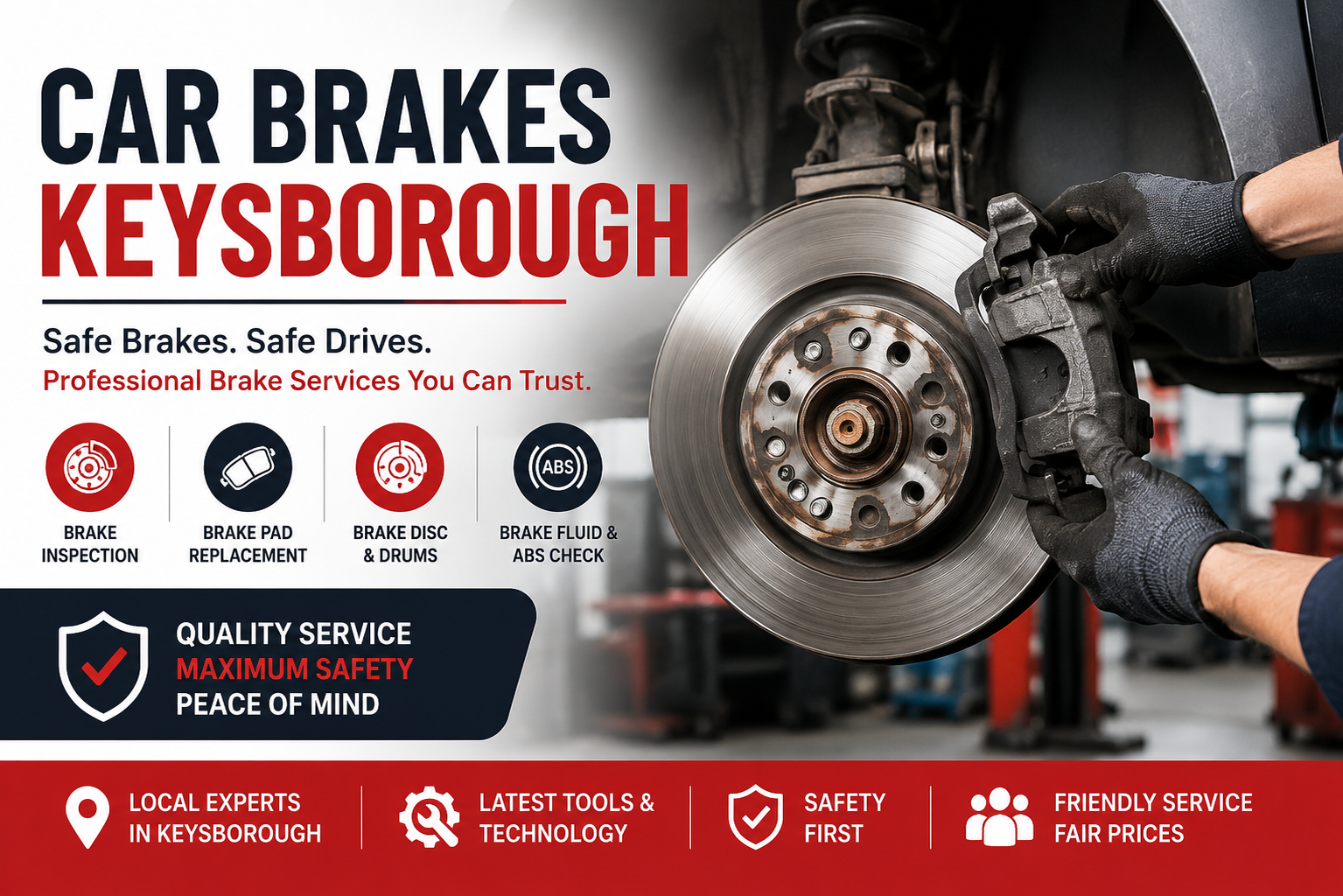
In this guide, we’ll walk you through everything you need to know about maintaining your car brakes in Keysborough and beyond. From understanding how your braking system works to recognising warning signs that something’s amiss, we’ve got you covered. You’ll learn about different brake types, recommended service intervals, and tips for extending the life of your brakes. Plus, we’ll help you understand what to expect when it comes to costs and finding a reliable local mechanic. Let’s get stuck into it.
Understanding How Your Car’s Braking System Works
Before we explore maintenance tips, it helps to understand what’s actually happening when you press that brake pedal. Your braking system is a carefully engineered network of components working together to bring your vehicle to a safe stop.
When you push the brake pedal, you’re activating a hydraulic system. Brake fluid transmits the force from your foot through brake lines to the wheels. At each wheel, either disc brakes or drum brakes create friction to slow the vehicle down. Disc brakes use callipers that squeeze brake pads against a rotor, while drum brakes use shoes that press outward against a drum.
Modern vehicles typically feature disc brakes on the front wheels and either disc or drum brakes at the rear. Front brakes do most of the heavy lifting during stopping, which is why they often wear faster. Understanding this basic setup helps you appreciate why regular maintenance matters so much.
Types of Car Brake Systems Explained
Disc Brakes vs Drum Brakes: What’s the Difference?
Disc brakes are the more common choice in modern vehicles. They consist of a rotor (a flat metal disc), a calliper, and brake pads. When activated, the calliper squeezes the pads against the rotor, creating friction. Disc brakes offer excellent stopping power and handle heat well, making them ideal for front wheels.
Drum brakes work differently. They feature a cylindrical drum attached to the wheel, with brake shoes inside. When you brake, the shoes expand outward against the drum’s inner surface. While drum brakes are generally cheaper to manufacture, they don’t dissipate heat as effectively as disc brakes.
How do you know what type of brakes your car has?
The easiest way is to peek through your wheel spokes. If you can see a flat disc behind the wheel, you’ve got disc brakes. If you see a rounded, enclosed drum, that’s a drum brake system. Your owner’s manual will also confirm your brake configuration.
Warning Signs Your Brakes Need Attention
Recognising early warning signs can save you from expensive repairs and dangerous situations. Here’s what to watch out for:
What Are the Signs of Worn Brake Pads?
Worn brake pads often announce themselves with a high-pitched squealing or squeaking noise. This sound comes from a small metal indicator built into the pad—it’s designed to alert you when the pad material is getting thin. If you ignore this warning and the pads wear down completely, you’ll hear a grinding metal-on-metal sound, which means damage is occurring to your rotors.
What Does It Mean When Your Brake Pedal Feels Spongy?
A soft or spongy brake pedal typically indicates air in your brake lines or low brake fluid. This is a serious concern that requires immediate attention. You might also notice you need to press the pedal further than usual to get adequate stopping power.
Dashboard warning lights you shouldn’t ignore include the brake warning light (often shown as an exclamation mark in a circle) and the ABS light. These indicators mean something needs checking urgently don’t put it off.
How Often Should You Service Your Brakes?
Recommended Brake Inspection Intervals for Australian Drivers
Most manufacturers recommend having your brakes inspected every 20,000 to 30,000 kilometres, or at least once a year. However, this can vary based on your driving habits and conditions. City driving with frequent stop-start traffic wears brakes faster than highway cruising.
How Long Do Brake Pads Last on Average?
Brake pads typically last between 40,000 and 70,000 kilometres, though this range varies considerably. Quality pads tend to last longer, and driving style plays a massive role.
Factors that affect brake wear in Keysborough and Melbourne include our stop-start traffic conditions, hilly terrain in some areas, and weather variations. Wet conditions can also affect brake performance, making regular maintenance even more important for local drivers.
Essential Brake Components and When to Replace Them
Brake Pads: Lifespan and Replacement Costs
Brake pads are your first line of defence and the component you’ll replace most often. In Australia, expect to pay between $150 and $400 per axle for quality brake pad replacement, depending on your vehicle and pad choice.
How Do You Know If Your Rotors Need Replacing?
Rotors can last through two or three sets of brake pads, but they’re not immortal. Signs of worn rotors include visible grooves or scoring on the surface, vibration when braking, or your mechanic measuring them as being below minimum thickness.
Brake Fluid: Why Regular Flushing Matters
Brake fluid absorbs moisture over time, which lowers its boiling point and reduces braking efficiency. Most manufacturers recommend flushing brake fluid every two years. It’s an affordable service that protects your entire braking system.
Brake callipers and lines generally last longer but should still be inspected regularly. Look out for leaking fluid around callipers or cracked, brittle brake lines both require prompt attention.
DIY Brake Checks vs Professional Inspections
Simple Brake Checks You Can Do at Home
You don’t need to be a mechanic to perform basic brake checks. Regularly listen for unusual sounds when braking. Check your brake fluid level monthly the reservoir is usually near the back of the engine bay with MIN and MAX markings. Also, pay attention to how your brake pedal feels each time you drive.
When Should You See a Mechanic for Brake Problems?
While basic checks are helpful, professional inspections are essential. See a mechanic if you notice any warning signs, if your brakes feel different, or if it’s been more than a year since your last inspection. During a professional brake service, technicians measure pad thickness, check rotor condition, inspect brake lines and callipers, and test brake fluid quality.
Choosing a Reliable Brake Service in Keysborough
What to Look for in a Trusted Local Mechanic
Finding a reliable mechanic for your car brakes in Keysborough doesn’t have to be stressful. Look for workshops with positive online reviews, proper licensing, and transparent pricing. A good mechanic will happily explain their findings and won’t pressure you into unnecessary repairs.
Questions to ask before booking include: What’s included in the service? Do you use quality parts? Can you provide a written quote? Will you show me the worn components? These questions help you gauge professionalism and avoid surprises.
Tips for Extending the Life of Your Brakes
Driving Habits That Protect Your Braking System
Your driving style significantly impacts brake longevity. Avoid harsh, last-minute braking—instead, anticipate stops and brake gradually. Don’t ride your brakes downhill; use lower gears to control speed. Keep a safe following distance to avoid sudden stops.
Seasonal maintenance considerations for Melbourne weather matter too. After heavy rain, gently tap your brakes to dry them. During cooler months, moisture can affect brake performance first thing in the morning. Regular driving actually helps keep brakes in good condition by preventing rust and corrosion.
Keeping Your Family Safe on Australian Roads
Your car braking system truly is your most important safety feature. Throughout this guide, we’ve covered how brakes work, warning signs to watch for, maintenance schedules, and what to expect cost-wise. The key takeaway is simple: don’t neglect your brakes.
Regular inspections and timely maintenance aren’t just about avoiding expensive repairs—though that’s certainly a bonus. It’s about ensuring your vehicle can stop safely every single time you need it to. Whether you’re doing the school run in Keysborough, commuting into the Melbourne CBD, or heading down the coast for a weekend getaway, reliable brakes give you confidence and peace of mind.