
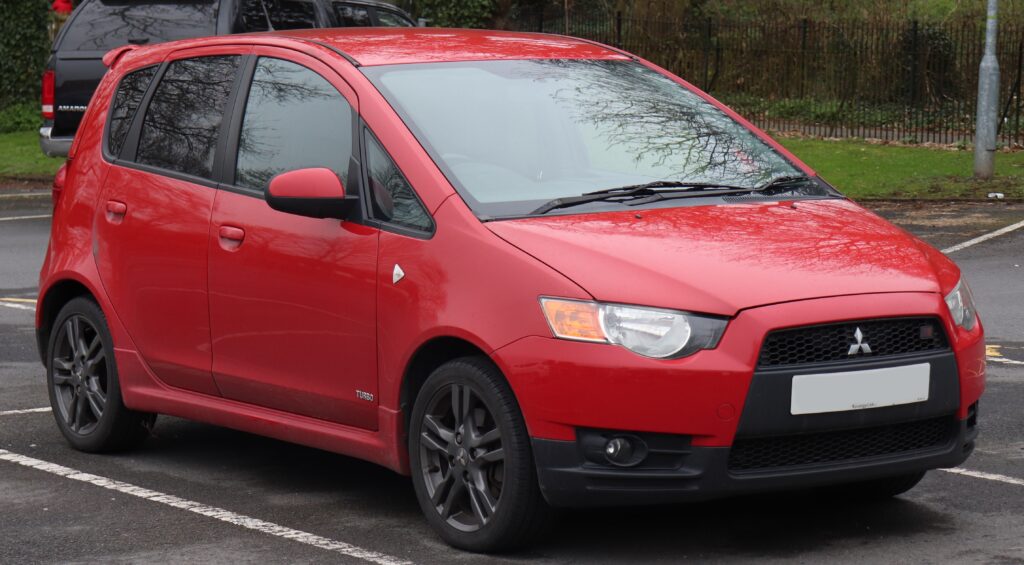
The Mitsubishi Colt has been a staple in the small car segment for decades, offering practical, reliable transportation that’s perfect for city driving and everyday use. Known for its compact size, nimble handling, and solid build quality from a Japanese manufacturer, the Colt appeals to drivers looking for something economical without sacrificing too much comfort or features.
While the nameplate dates back to the 1960s, most people shopping for a used Colt today focus on the more recent generations, especially the popular 2004 to 2012 model (often called the Z30 series). This version stands out as a five-door hatchback that shares some underpinnings with models like the Smart Forfour, delivering agile performance in tight urban spaces. A sportier Ralliart variant added pep for enthusiasts, and earlier generations from the 1990s and early 2000s remain common on the road too.
Why the Mitsubishi Colt Remains a Smart Choice
One of the biggest draws of the Colt is its reputation for mechanical dependability. Japanese engineering shines through in the engines and overall construction, with many owners reporting trouble-free miles well past 100,000. The petrol units, particularly the 1.1 and 1.3-liter four-cylinders, prove durable when serviced regularly. These engines deliver adequate power for zipping around town while keeping fuel consumption sensible, often returning over 45 mpg in real-world mixed driving.
The handling feels sharp and composed, thanks to a well-tuned suspension that balances comfort with responsiveness. Interior space surprises many first-time owners – rear seats fold flat for decent cargo room, and the cabin includes useful touches like adjustable steering and good visibility. Higher-spec models add air conditioning, alloy wheels, and even some premium audio options.
For those who prefer manuals, the five-speed gearbox shifts smoothly in most cases. The Colt’s lightweight design makes it fun to drive on twisty roads, and its small footprint eases parking in crowded areas.
Common Issues to Watch For
No car is perfect, and the Colt has a few known weak points depending on the year and engine. CVT automatic versions from around 2005 to 2008 deserve extra caution. These continuously variable transmissions can develop jerky shifting or hesitation after 80,000 to 120,000 km, especially in the 1.3-liter models where extra power stresses the system. Drivers often notice sluggish response or warning lights related to the transmission control unit. Repairs tend to get expensive, so many opt for manual versions to sidestep this entirely.
Timing chains on the 1.1 and 1.3 petrol engines sometimes stretch between 60,000 and 100,000 miles, leading to a rattling noise on cold starts or rough idling. Catching this early prevents major engine damage – listen carefully during startup and address any unusual sounds promptly.
Clutch wear appears in higher-mileage manuals, with slipping or stiff pedal feel around 100,000 miles. Gearbox synchros might grind during shifts if neglected. Suspension components, like bushes and shocks, wear out over time, and brakes need regular attention as in any small car.
Electrical glitches crop up occasionally in older models, such as central locking failures or quirky dashboard displays. Rust can affect underbody areas or wheel arches on cars from the 1990s to early 2000s, particularly if they’ve seen salted winter roads. Newer Colts hold up better against corrosion.
Overall reliability scores well in owner surveys, with low average repair costs for issues like suspension (£180-ish) or brakes (£135). Many Colts soldier on reliably with basic care.
Practical Maintenance Tips for Your Mitsubishi Colt
Keeping a Colt in top shape doesn’t require a fortune or specialist tools for most jobs. Regular oil changes every 7,500 to 10,000 miles using the correct grade (usually 5W-30 or 10W-40 synthetic for petrols) keep the engine happy. Check spark plugs around 30,000 miles – they’re straightforward to replace and improve smoothness and economy.
Air filters and cabin filters deserve attention yearly or every 15,000 miles. A clean air filter boosts performance and fuel efficiency, while a fresh cabin filter reduces interior dust and odors.
For manual gearboxes, change the transmission fluid every 60,000 to 100,000 miles. Use a good 75W-90 synthetic – it’s a simple drain-and-fill job that prevents notchiness in shifts. Coolant should get flushed every few years to avoid overheating risks.
Brakes respond well to DIY attention. Inspect pads and discs during tire rotations (every 6,000 to 8,000 miles), and replace worn items before they score the discs. Bleed the system if the pedal feels spongy.
Tire pressure checks monthly pay dividends – the Colt’s light weight makes it sensitive to underinflation, which hurts handling and economy. Rotate tires regularly for even wear.
If your Colt has electric power steering, watch for any heavy feel or warning lights – failures occur but usually tie to age or battery issues rather than major faults.
For diesel variants (less common but efficient), follow strict timing belt intervals to avoid catastrophic failure. These engines suit longer commutes but feel less lively in stop-start city traffic.
DIY Repairs That Save Money
Many Colt owners tackle basic jobs themselves. Changing brake pads involves standard caliper removal – jack the car safely, remove the wheel, and compress the piston with a tool. Videos online guide you through Colt-specific steps.
Oil changes take under half an hour: warm the engine, drain old oil, replace the filter, and refill. Suspension arm bushes or anti-roll bar links swap out with basic sockets and a torque wrench.
Even screen repairs on the trip computer appear in tutorials for persistent faults.
Having a detailed workshop manual proves invaluable for torque specs, wiring diagrams, and step-by-step procedures. Digital versions let you zoom in on exploded views and troubleshoot efficiently.
Final Thoughts
The Mitsubishi Colt combines practicality, economy, and surprising fun in a compact package. With proper maintenance, it rewards owners with years of dependable service. Whether you’re dealing with a 2004-2012 model or an earlier one, staying on top of fluid changes, listening for odd noises, and addressing wear items early keeps costs down and enjoyment up.
If you’re maintaining or repairing your Colt, a comprehensive eManual makes all the difference. It covers everything from routine servicing to advanced diagnostics, helping you work confidently on your car.